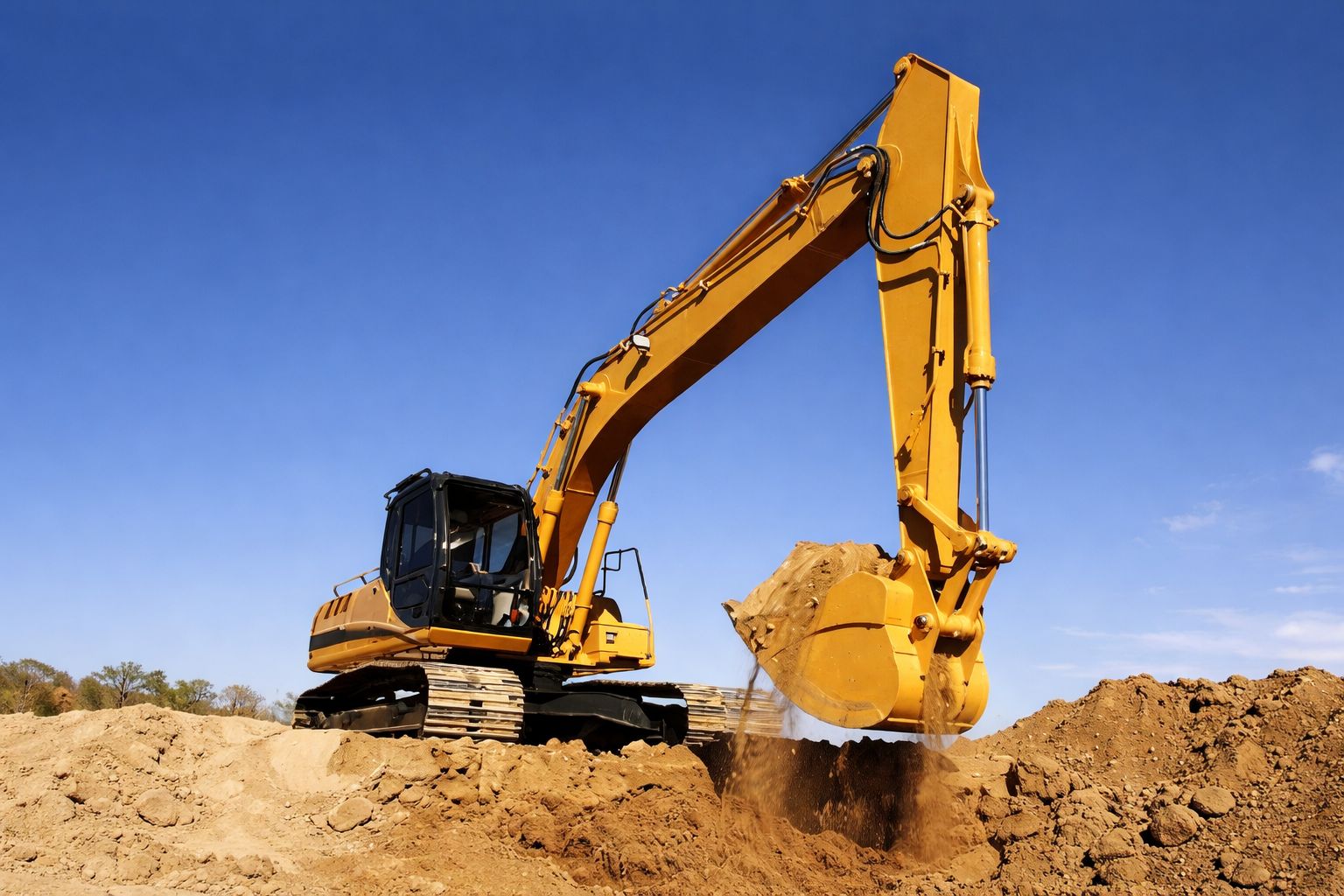
If your excavator pins and bushes wear too quickly, the problem is not always the machine. In many cases, it comes back to grease choice, service routine, and site conditions. The best grease for excavator pins and bushes needs to stay where it is pumped, carry load, resist water and dirt, and protect the joint between services.
For operators, mechanics, and fleet managers, the goal is simple. Keep joints tighter for longer, reduce wear, and avoid repair costs that eat into production. If you want a broader look at grease types, start with our lithium grease guide. If you are focused on excavator pins and bushes, this guide is the practical next step.
What is the best grease for excavator pins and bushes?
The best grease for excavator pins and bushes is usually a heavy-duty grease with strong extreme pressure performance, good adhesion, solid water resistance, and the ability to hold its structure under repeated load. For many earthmoving applications, a quality lithium complex grease is a practical fit because it offers strong protection in high-load joints and holds up well in harsh conditions.
There is no single answer for every machine. The best grease for excavators depends on:
- Machine size
- Pin and bush load
- Dust, mud, and water exposure
- Greasing intervals
- Temperature
- Current wear condition
A machine working in a quarry has a very different grease demand to a machine trenching in wet clay or handling mixed work across civil and farm sites.
Why excavator pins and bushes need the right grease
Pins and bushes sit in one of the hardest-working parts of the machine. They deal with shock load, repeated movement, dirt, water, and long operating hours. If grease squeezes out too easily, washes away, or breaks down under heat, metal-to-metal contact starts sooner. That means faster wear, more movement in the linkage, and higher repair costs.
The right excavator grease helps keep a protective film in place, slows wear, and cuts the risk of early pin and bush replacement. It is a small cost compared with the labour and downtime involved in rebuild work.
What to look for in excavator grease
Extreme pressure protection
Pins and bushes work under heavy load. Grease for excavator joints needs to protect against metal contact when pressure rises.
Adhesion and resistance to squeeze-out
A good digger grease should stay where it is applied. If it purges out too quickly, protection drops away fast.
Water resistance
Excavators often work in wet ground, mud, rain, or washdown conditions. Grease that washes out leaves the joint exposed.
Dirt sealing ability
Dust and grit are hard on pins and bushes. A quality grease helps form a barrier against contamination.
Thermal stability
Heat builds up in working joints. Grease needs to stay stable without thinning out too quickly.
Longer service life
The best grease for excavator use is not just about how it pumps today. It is about how well it protects over time and how it affects cost per hour across the life of the machine.
Is lithium grease good for excavators?
Yes, lithium grease can be a good option for excavators, provided it is made for heavy-duty use. This is one reason many operators searching for “excavator grease” also end up comparing lithium-based products.
A quality lithium complex grease can give:
- Strong load protection
- Good water resistance
- Better adhesion
- Stable performance in heat
- Better protection in pins and bushes
If you are comparing grease types across machines and applications, you can also review the full Texxon grease range.
Best grease for excavators by site condition
Quarry and hard rock work
Quarry conditions put joints under constant shock load and abrasive dust. In these environments, grease needs to stay in place and keep protecting under heavy pressure.
Wet civil and drainage work
On wet sites, water resistance becomes more important. If grease washes out, protection falls away quickly and wear speeds up.
Waste and recycling
Dirt, fine contamination, and stop-start work create a hard environment for pins and bushes. Grease needs to stay tacky and keep contamination out.
Mixed fleet use
For operators running laser buckets, excavators, loaders, and skid steers across several jobs, it helps to choose a grease that performs well under a wide range of conditions instead of chasing the lowest cartridge price.
Common signs your current grease is not doing the job
If your grease for excavator joints is falling short, you will usually see it in one or more of these ways:
- Pins start showing movement earlier than expected
- Bushes wear faster than planned
- Grease purges out too quickly
- Oil bleed leaves the boom and linkage looking dirty
- Joints sound dry between services
- You are greasing often but still seeing wear
That does not always mean the grease is the only issue. Service timing, contamination, and worn seals also matter. Still, grease choice is one of the first things worth checking.
Common mistakes that shorten pin and bush life
Using general-purpose grease in heavy-duty joints
Pins and bushes are not light-duty applications. They need grease that can handle load, heat, and contamination.
Choosing on price alone
A cheaper product can cost more if it leads to shorter service life, more labour, and more downtime.
Ignoring site conditions
Grease that works in a clean yard may fail on a wet, abrasive, or high-impact site.
Greasing without checking actual results
The best approach is to look at wear rate, grease use, labour time, and machine condition, then adjust based on what the machine is showing.
A practical option for heavy-duty excavator grease
If you are reviewing products for pins and bushes, TEXXON XHD Red Grease is worth a look for heavy-duty earthmoving use. If you want to see how grease performance can affect machine cleanliness, wear, and service life in real conditions, read this XHD Red Grease case study.
The point is not to pick grease by label alone. It is to choose a product that matches the way your machine actually works, then judge it by wear, downtime, and operating cost over time.
How often should you grease excavator pins and bushes?
That depends on machine size, load, attachment movement, service routine, and working conditions. High-impact and dirty applications usually need more attention than lighter work in cleaner conditions.
A fixed interval on paper is only part of the story. What matters is how the grease performs on your site and what the machine is telling you through wear, purge, and joint condition.
Final word
The best grease for excavator pins and bushes is the one that protects under load, stays in place, resists water and dirt, and helps reduce wear over time. For many operators, that means choosing a heavy-duty grease built for earthmoving conditions rather than a general-purpose product.
If your current excavator grease is washing out, leaking away, or failing to protect your joints between services, it is worth reviewing what you are using and why. A better grease choice can help cut wear, hold service intervals, and keep repair costs under control.
Need help picking the right grease for excavator pins and bushes? Contact Terrappe and speak with the team about your machine, your site conditions, and the result you want from every cartridge.
FAQs
What is the best grease for excavator pins and bushes?
The best grease for excavator pins and bushes is usually a heavy-duty grease with strong extreme pressure performance, good adhesion, water resistance, and the ability to stay in place under load.
Is lithium grease good for excavator pins?
Yes. A quality lithium complex grease can be a strong option for excavator pins and bushes, especially in high-load earthmoving work.
What is the best grease for excavators in wet conditions?
Look for grease with strong water resistance and good adhesion so it stays in the joint and keeps protecting after exposure to mud, rain, and washdown.
Why do excavator pins and bushes wear out even when they are greased?
Wear can still happen if the grease is not suited to the application, if greasing intervals are too long, or if contamination is getting into the joint.
Can I use the same digger grease on loaders and skid steers?
In many cases, yes. The better result comes from matching the grease to the machine, the load, and the site conditions rather than using one product by default.